
I Logged My Gambloria Casino Playing Sessions for Three Months Australia Data
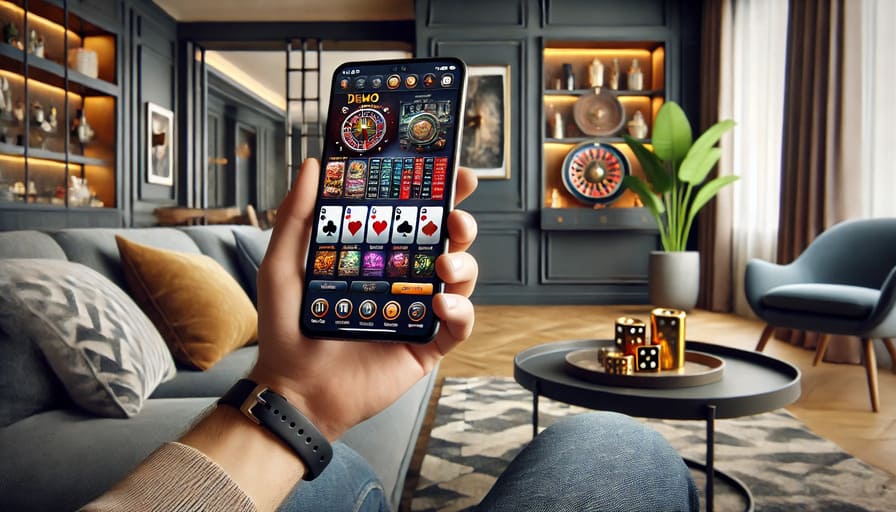
I enjoy online casinos, but I believe in numbers more than emotions. So I conducted a little test on myself. For 90 days, I recorded a detailed account of every time I played at Gambloria Casino. I wanted to cut through the stories of lucky streaks and cold machines to discover what was really happening with my cash and my hours. This is the raw data from my experience as an Aussie punter. I tracked deposits, game selections, how long I played, and even my state of mind. Turning my intuitions into a spreadsheet shifted how I perceive the game.
How I Began This Personal Tracking Experiment
You hear so many stories. Someone’s up big one night, or the machines are “due.” I got tired of the uncertainty. I started tracking to find real patterns in my own play. Which slots were actually fun for the money? Was Gambloria running smoothly, or was my annoyance justified? I needed to know if a “good” session felt the same in my wallet as it did in my head. This log was my effort to bring some calm, factual discipline to a hobby that’s usually all about adrenaline.
Gambloria Casino: User Experience Analysis
Tracking also gave me a comprehensive view of Gambloria’s performance. On the technical side, it was dependable. Games loaded quickly, and the app never crashed on me, which counts when you’re in the zone. The mobile experience was perfect. One recurring note in my log, though, was difficulty with trying new games. I often wanted to test a slot first, but a clear demo or free-play mode wasn’t always easy to find. I did appreciate that their bonus terms were transparent, which made my tracking and budgeting accurate.
Core Behaviour Patterns I Uncovered
The numbers showed habits I didn’t even know I had. I noticed a “revenge play” tendency. After a losing session, I’d sometimes jump back in within the hour, making hasty, sloppy bets. Seeing that pattern in black and white was a revelation. I made a new rule: a compulsory few-hour break after any loss. That single change enhanced my experience more than anything else. The log made my triggers obvious, so I could finally do something about them.
Actionable Tips for Aussie Players
This experiment gave me a list of rules I truly follow now. If you desire more awareness and control, attempt these.
- Set your spending limit and time limit before you access the casino. Handle it like a law.
- Hold a simple log. Just a note on your phone about what you played and spent. Viewing it in writing alters your actions.
- Assess your play every month. Are pokies devouring your budget? Do you have more fun with cards?
- Impose a break after a loss. Wait an hour, or a day, before you even consider about playing again.
- View of any net loss as an entertainment cost, like getting a ticket to a show. It’s not a unsuccessful investment.
The Emotional Insights: How Wins and Losses Were Experienced
This part was individual, but possibly the most valuable. I provided each session a basic satisfaction score. I found something unexpected. A session with many small wins often felt more enjoyable than a quick win followed by a full loss. The sessions I ranked highest were never the ones where I earned the most. They were the ones where I stuck to my plan, hit my limit, and left without regret. The most negative feelings always arose when I ignored my rules and tried to win back a loss. The data proved that for me, being in control was the true key to enjoyment.
My Approach: Logging Every Detail
My tool was a standard spreadsheet, but my rule was absolute consistency. Before pressing ‘spin’ or ‘deal’, I wrote down the date, time, and my starting balance. As I gamed, I noted the game, my bet size, and any bonus rounds. When I stopped, I entered the final balance, how long I’d played, and a brief word on my headspace. I only used money I was okay losing, and I always set a hard loss limit for the session, which went into the log too. This created a hard, hard record that my memory couldn’t gloss over later.
The Unfiltered Numbers: Victories, Losses, and Means
After 90 days, the spreadsheet presented a clear story. I completed 67 sessions. I put in $1,500 total. I withdrew $1,285. That produced a net loss of $215. It comes to about $2.39 per session. My average playtime was 42 minutes. The biggest single win was $180. My largest loss in one session was $50, because that was my limit. Viewing it all added up like that was eye-opening. The overall loss felt manageable. Thinking of it as a few dollars per hour for entertainment made sense to me.
A Deeper Dive into Game Performance
Dissecting the numbers by game type indicated where my time and money went. Online pokies took up 70% of my play. Table games, mostly blackjack, comprised 25%. I only experimented with live dealer games for the remaining 5%. Here’s what surprised me: while the pokies delivered my biggest single wins, my money went further and my returns were more consistent at the blackjack table. Those live dealer sessions, though fun, burned through my budget fastest because I was prone to bet higher. This data pushed me to put more of my bankroll toward strategic table play.
Session Timing and Monetary Effect
My log highlighted a strong link between when I played and how I spent. Saturday night sessions were consistently longer and more expensive. A quick 15-minute spin on a Tuesday lunchtime, however, was usually more disciplined and often more rewarding for the amount risked. The correlation was obvious. When I was tired or distracted, my discipline slipped. Now I schedule shorter, sharper sessions for when I’m alert and steer clear of playing late when I’m prone to chasing.
The Most Significant Surprises and Lessons
The most notable surprise was how small my total loss was over three months of disciplined play. I’d expected a bigger financial hit. I was also shocked to see how rarely I used “feature buy” options once I noticed how fast they drained my session balance. The most important lesson was emotional. The real fun originated from the gameplay itself. A slot with an engaging bonus round was satisfying, even if I walked away even. The data didn’t ruin the excitement. It removed the anxiety and guesswork, which made the whole thing more enjoyable.
FAQ
Has this tracking project valuable for an typical player?
Absolutely, completely. Even a fundamental log offers you control. It converts a unclear activity into something you can track. That consciousness enables you remain in control of your time and funds, not the other way around.
Did you sense like tracking stole the enjoyment out of participating?
Not at all. The initial few occasions appeared a little detached, but it soon became a easy routine. It in fact reduced my tension. I knew I was playing within my limits, so I could chill and savor the experience without that nagging anxiety in the depths of my head.
What is the key tracking metric you’d recommend every player monitor?
Playing time paired with your budget limit. Everybody tracks the funds, but your duration is similarly as important. Noting how much time you engage for a particular expenditure shows you what your entertainment actually sets you back and prevents you from wasting an entire night.
Based on your findings, is Gambloria Casino a great option for Aussies?
Considering how I play, it functioned well. The system was reliable, the titles appeared fair, and withdrawing and cashing out was simple. I wish they offered more demo modes. I’d tell other players it’s a reasonable alternative if you’re the kind to set your own restrictions and adhere to them.
To what extent did this project change your subsequent gambling patterns?
It got me thinking. I plan my sessions now. I never try to win back a loss. I select games based on what I want from that session—a long strategic game or a quick spin. I still note notes sometimes, just to keep myself honest. The data-driven mindset is here for good.
Did you claim many bonuses, and how did they impact your results?
I took advantage of a few welcome and reload offers. My log showed they gave me more playing time, but they almost never changed my final outcome because of the playthrough rules. I now view them as a way to extend my session, not as a magic ticket to a profit.
What is your final, top piece of advice for someone reviewing your findings?
View casino play like any other paid hobby, such as going to the movies or a concert. Determine your ticket price before you go in. Use a little data to understand your own habits. That shift in thinking is what makes playing sustainable and actually fun, whether you’re at Gambloria or anywhere else.
Tracking three months of my life at Gambloria Casino showed me more about myself than about gambling. The numbers moved me from playing on impulse to playing with purpose. I finished down a couple hundred dollars, but what I got in return—clarity, control, and better enjoyment—was priceless. If you’re an Australian player who wants to be more mindful, consider logging.